Yulmya Typeface for Modern Web Design
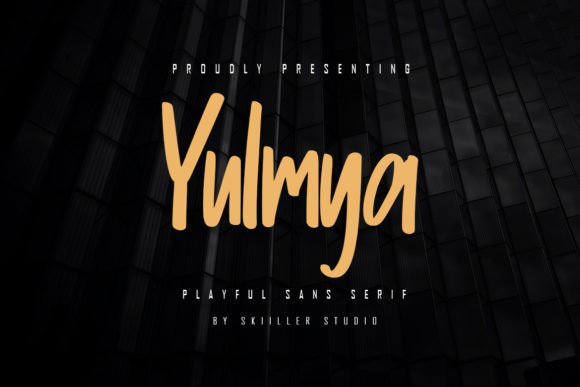
When integrating Yulmya into a digital project, designers immediately notice how this distinct Sans Serif typeface bridges the gap between structural clarity and personalized elegance. Unlike standard system Fonts that often feel sterile in commercial layouts, Yulmya brings a human touch to screen-based interfaces while maintaining the geometric precision required for high-resolution displays. For web designers and UI creators, finding a typeface that performs well in hero sections without sacrificing readability on mobile devices is a constant challenge, and Yulmya offers a compelling solution for brands seeking a unique visual identity.
Elevating Brand Identity with Yulmya Sans Serif Typography
In the crowded landscape of digital marketing, brand recognition relies heavily on consistent typographic choices. Yulmya serves as a powerful tool for establishing a memorable online presence because it deviates from the generic neo-grotesque styles that dominate many SaaS platforms. As a Sans Serif font, it retains excellent legibility, but its specific character shapes introduce a warmth that resonates with audiences looking for authenticity. When used in logo design or header graphics, this typeface communicates sophistication without appearing cold or overly corporate. Digital product creators can leverage this personality to differentiate their landing pages, ensuring that the first impression aligns with a premium, curated brand experience rather than a template-driven aesthetic.
Creating Visual Hierarchy in Landing Page Layouts
Effective web design depends on guiding the user’s eye through content logically, and Yulmya excels at defining clear visual hierarchy. Because it is a display-oriented Sans Serif, it commands attention in large sizes, making it ideal for hero headlines and value propositions. However, its balanced stroke width ensures it does not overwhelm the layout. When pairing this font with simpler body copy Fonts, designers can create a rhythmic contrast that improves scanning behavior. For instance, using Yulmya for section headings and call-to-action buttons creates focal points that drive conversions, while a neutral sans serif handles the detailed explanatory text. This strategic application prevents cognitive overload and keeps potential customers engaged with the core message.
Optimizing Readability for Mobile and Responsive Interfaces
With mobile traffic accounting for the majority of web visits, typography must adapt seamlessly across viewports. Yulmya maintains its integrity on smaller screens due to its open counters and consistent spacing, which are critical features for any high-quality Sans Serif typeface. When designing responsive layouts, it is essential to test how the font renders at various breakpoints. Yulmya performs well in navigation menus and short-form content blocks, where clarity is paramount. Designers should avoid using it for long paragraphs of body text if a more optimized reading font is available, but for interface elements, labels, and concise statements, it provides excellent readability. Ensuring that the font loads quickly via proper webfont formats further enhances the user experience by preventing layout shifts during page rendering.
Enhancing User Engagement in Digital Storefronts
Online stores require typography that builds trust and highlights product value, and Yulmya fits naturally into e-commerce environments. Whether used for boutique fashion sites or artisanal product pages, this Sans Serif font adds a layer of craftsmanship to the digital shelf. It works exceptionally well for promotional banners, sale announcements, and product titles, where a personalized style can influence purchasing decisions. By incorporating Yulmya into key conversion areas, such as checkout headers or testimonial quotes, store owners can create a cohesive narrative that feels bespoke. This attention to typographic detail signals quality to the consumer, reinforcing the perceived value of the products being sold and encouraging deeper engagement with the brand story.
Strategic Font Pairing for Editorial and Content Sites
Content-heavy websites, such as blogs and online magazines, benefit from thoughtful font combinations that balance personality with neutrality. Yulmya pairs effectively with traditional serif fonts for an editorial look or with minimalistic sans serifs for a modern tech aesthetic. When selecting complementary Fonts, consider the mood you wish to convey; Yulmya’s elegant curves soften the rigidity of strict grid systems, making long-form content feel more inviting. For example, using Yulmya for article titles and pull quotes while relying on a highly legible serif for the main text creates a sophisticated reading environment. This approach not only enhances aesthetic appeal but also improves retention rates by making the content visually digestible and professionally presented.
Implementing Yulmya in Social Media and Digital Ads
Beyond the website, consistent typography across social media graphics and digital advertisements strengthens brand recall. Yulmya is versatile enough to be used in static images, video overlays, and story templates, providing a unified look across all digital touchpoints. Its clean lines ensure that text remains readable even when compressed for mobile feeds or placed over complex backgrounds. Marketers can use this Sans Serif font to create eye-catching headlines for Instagram posts, LinkedIn banners, or Facebook ads, ensuring that the brand voice remains consistent whether the user is on a landing page or a social platform. This cross-channel consistency is vital for building a recognizable digital identity that stands out in saturated advertising spaces.
Licensing Considerations for Commercial Web Projects
Before deploying Yulmya in client projects or commercial products, it is crucial to understand the licensing requirements associated with premium Fonts. Web designers must ensure they have the appropriate webfont license to embed the typeface correctly via CSS, guaranteeing fast load times and proper rendering across browsers. Additionally, checking for multilingual support and available weights allows for greater flexibility in design systems. Investing in the correct license not only protects the designer and client from legal issues but also supports the creators who develop these high-quality Sans Serif tools. By respecting intellectual property and choosing licensed assets, professionals contribute to a sustainable ecosystem of digital design resources that continue to innovate and improve user experiences globally.